

Five Key Factors Before Upgrading Your Wheels
Upgrading wheels is a popular way to boost a car’s performance and looks, but ignoring the key factors can bring safety hazards or even damage. Before you start, five points deserve confirmation.
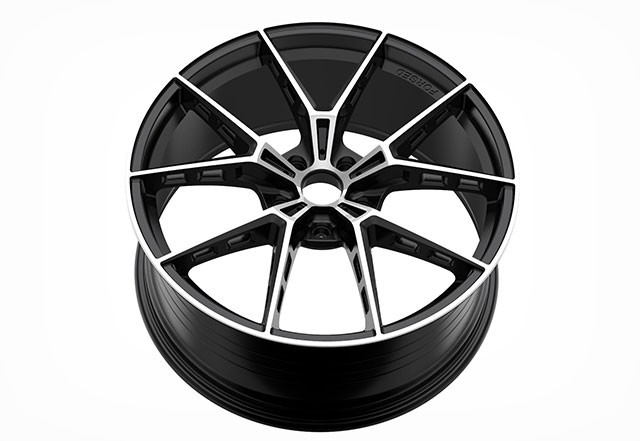
First, size. Blindly upsizing can cause tire-to-fender interference and affect steering; the right approach is to follow factory data, keep the overall diameter within 3% of stock, and adjust the aspect ratio to preserve overall circumference. Second, width — an overly wide rim deforms the tread, affecting grip and wear patterns. Third, bolt pattern and center bore: even a 1 mm PCD error makes fitting difficult or causes vibration; if the center bore is larger than the factory hub, hub-centric rings are needed to remove radial play, or the steering wheel may shake at speed. Fourth, offset — a wrong ET pushes tires outward to rub the fenders or inward to foul the brakes. Fifth, material: cast wheels are economical but heavier, forged wheels perform superbly but cost more, and flow-formed wheels offer a middle ground.
After the upgrade, recalibrate the tire-pressure monitoring system and get a four-wheel alignment. Also mind the regulations: some regions strictly limit how far wheels may protrude, so keeping the originals for annual inspection is wise, as is insurance covering modification risks. A well-planned automotive wheel upgrade improves handling and looks, but it must rest on professional support — don’t lose more than you gain.

|
|
Site Navigation
|
WeChat Mall

|
Contact Us
|
|
Copyright Anhui AUHE Technology Co., Ltd. All rights reserved |
|
