

OEM vs. Modified Wheels: An In-Depth Comparison
OEM and modified wheels each have strengths and limitations, and understanding the differences is essential for owners. OEM wheels are developed by automakers to match the vehicle exactly — dimensional parameters, mechanical properties and durability are all rigorously tested, they work with the factory suspension and stability programs, they are fully road-legal and free from annual-inspection hassles; but the designs are conservative, mostly cast aluminum chosen for cost, with weight and styling that rarely satisfy individual tastes.
The core appeal of modified wheels is performance and self-expression. Lightweight forged wheels markedly reduce unsprung mass, improving acceleration and fuel economy; wider rims with low-profile tires boost cornering grip, and well-designed spoke styling highlights the vehicle’s character. Performance wheels usually also feature better cooling, a real advantage in hard-braking scenarios.
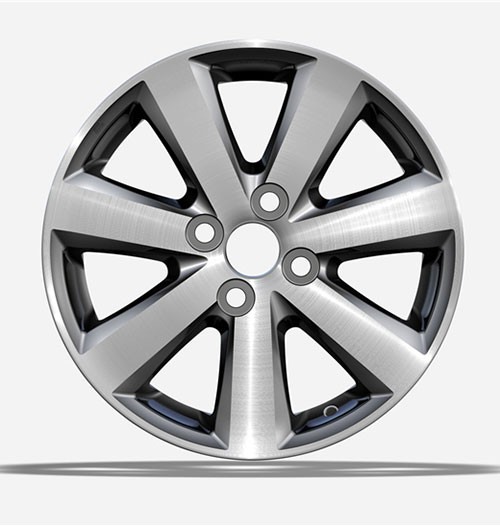
But modification carries fitment risks: incorrect offset or center bore can interfere with steering, and low-quality products may even suffer structural failure under extreme loads. On running costs, OEM wheels are easy to maintain with worry-free warranty, while modified wheels need more frequent rebalancing and alignment; in insurance claims, factory parts are typically fully covered while aftermarket parts may be depreciated. Interestingly, some premium brands’ optional wheels are actually made by well-known aftermarket brands, combining OEM certification with aftermarket quality. All in all, commuters are advised to keep factory wheels, while performance enthusiasts — with professional guidance — can choose modified wheels certified by TUV or JWL to unlock the car’s potential safely.

|
|
Site Navigation
|
WeChat Mall

|
Contact Us
|
|
Copyright Anhui AUHE Technology Co., Ltd. All rights reserved |
|
