

Wheel Buying Guide: Materials and Processes
When buying automotive wheels, material and process are the two key factors determining performance, weight, durability and looks. Common materials include steel, aluminum alloy, magnesium alloy and composites. Aluminum alloy wheels lead the market with light weight, good heat dissipation and attractive styling. Steel wheels cost less and resist impact, but are heavy and plain — mostly seen on economy cars or winter setups; magnesium wheels are lighter but expensive and less corrosion-resistant, typically reserved for high-performance or racing use.
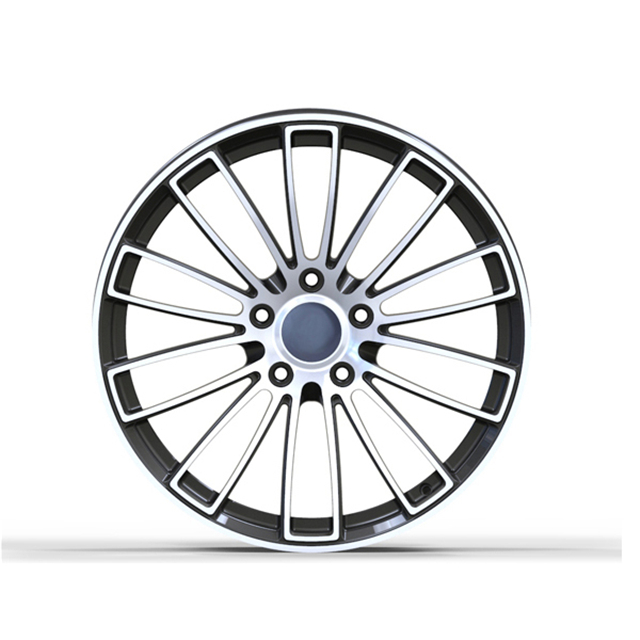
As for processes, wheel manufacturing divides into casting, flow forming and forging. Cast wheels are poured from liquid metal — low cost, many styles, but ordinary strength and weight; flow-formed wheels are spin-worked after casting, densifying the metal to combine lightness with high strength at good value; forged wheels are shaped under high pressure, giving a denser structure, less weight and more strength, but at a high price — mostly on premium cars or in the modified market.
Choose by driving needs, budget and vehicle compatibility. For daily commuting, cast or flow-formed wheels balance value and performance; for sporty or aggressive driving, consider forged wheels; factory wheels guarantee fitment and avoid compatibility issues. Parameters such as size, bolt pattern and offset must also match strictly to ensure safety and stability. AUHE Technology reminds you: whatever the material or process, buy through proper channels with qualified certifications.

|
|
Site Navigation
|
WeChat Mall

|
Contact Us
|
|
Copyright Anhui AUHE Technology Co., Ltd. All rights reserved |
|
